Manual Therapy & Remedial Treatment
Restoring movement through understanding.
Manual therapy is the foundation of my clinical practice.
Rather than focusing solely on the area where pain is experienced, I begin by understanding how different parts of the body may be influencing one another. Muscles, joints, fascia and connective tissues work together as an integrated system, and changes in one area often affect movement elsewhere.
Drawing on osteopathic principles from my early career and remedial therapy, treatment may include soft tissue techniques, trigger point therapy, muscle energy techniques (MET), manual joint mobilisation, myofascial release and functional movement assessment. Every treatment is adapted to your individual presentation and evolves according to your body's responses throughout the session.
Whether you are recovering from injury, living with persistent pain or simply wanting to move more comfortably, the aim is to restore efficient movement, improve function and support your body's natural ability to adapt.
Visceral Manipulation
Supporting the body's internal relationships.
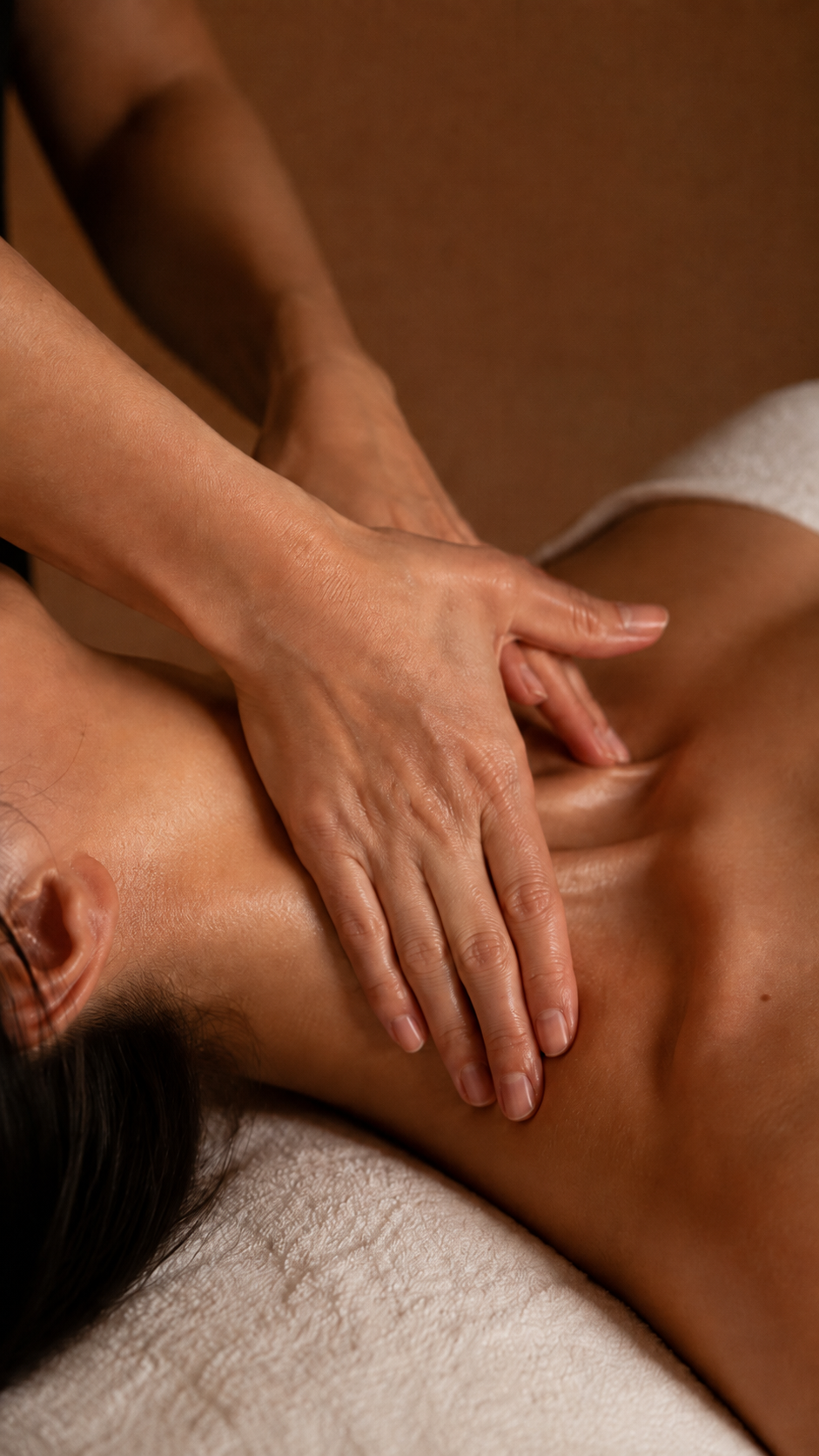
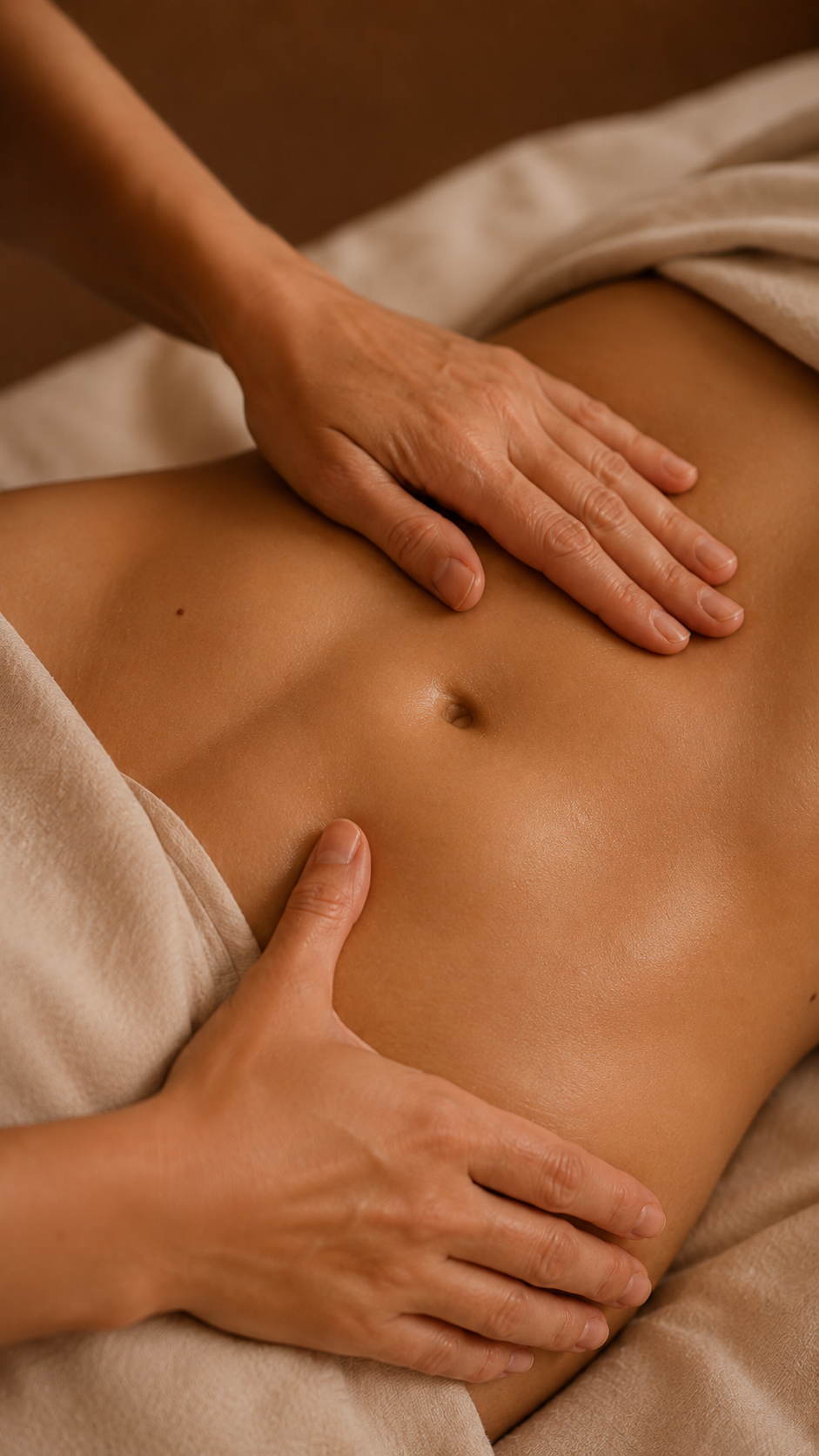
Visceral Manipulation is a gentle hands-on therapy developed by French osteopath Jean-Pierre Barral, based on a simple but often overlooked principle: our internal organs are not fixed structures. They move continuously with every breath, heartbeat and every movement or change in posture
Like muscles, joints and fascia, the organs rely on healthy mobility and harmonious relationships with the surrounding connective tissues to function efficiently. When these relationships become restricted—whether through injury, surgery, inflammation, repetitive strain, illness or prolonged patterns of tension—the body often adapts in subtle ways. Over time, these adaptations may influence posture, movement and the distribution of mechanical forces throughout the body.
Visceral Manipulation aims to assess and gently restore the natural mobility of the organs and their supporting tissues. Rather than treating an organ in isolation, the approach considers how the visceral system interacts with the musculoskeletal, fascial and nervous systems as part of an integrated whole.
Neural Manipulation
Respecting the body's communication network.
The nervous system is the body's primary communication network, continuously transmitting information that allows us to move, sense, respond and adapt.
Neural Manipulation, also developed by Jean-Pierre Barral, is a gentle manual therapy approach that considers the mobility of nerves and their relationship with the surrounding tissues. Following injury, inflammation, surgery or repetitive strain, these relationships may become restricted, influencing comfort and movement.
Treatment aims to improve the mechanical environment surrounding the nerves, supporting normal mobility within the body's connective tissues and contributing to more efficient movement and function.
Neural Manipulation is always integrated within a broader clinical assessment and forms one component of an individualised treatment plan.
Musculoskeletal
Manual Therapy
Restoring movement through structure, function and adaptation.
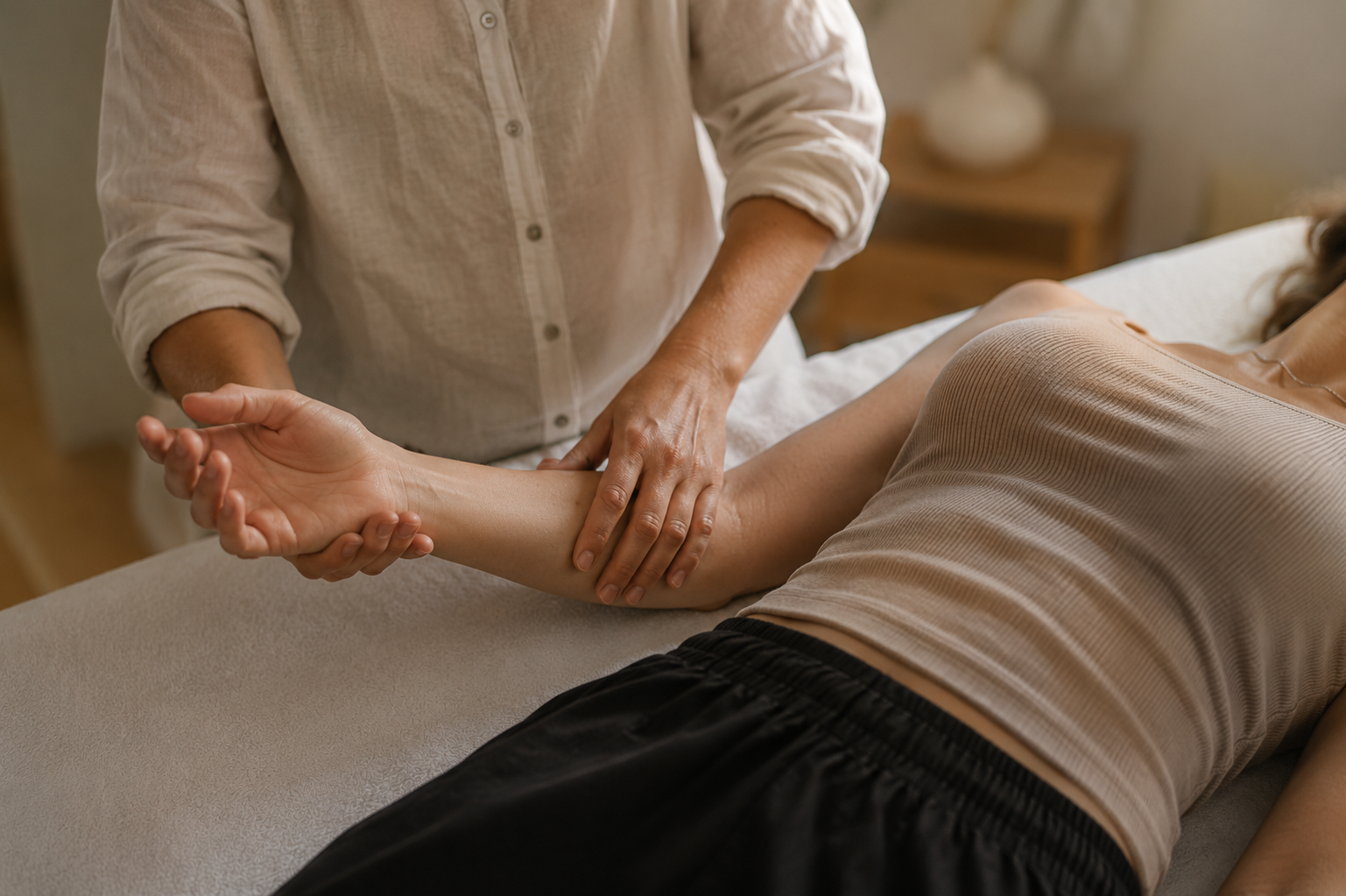
Depending on your needs, treatment may incorporate a range of evidence-informed musculoskeletal approaches including:
Muscle Energy Techniques (MET)
Trigger Point Therapy
Functional Release
Manual Articular Techniques are gentle manual techniques, including approaches inspired by Jean-Pierre Barral's work, that aim to improve the natural mobility of joints by respecting the body's biomechanics and the relationships between articular structures and surrounding soft tissues.
Craniosacral Therapy
Listening to subtle movement.
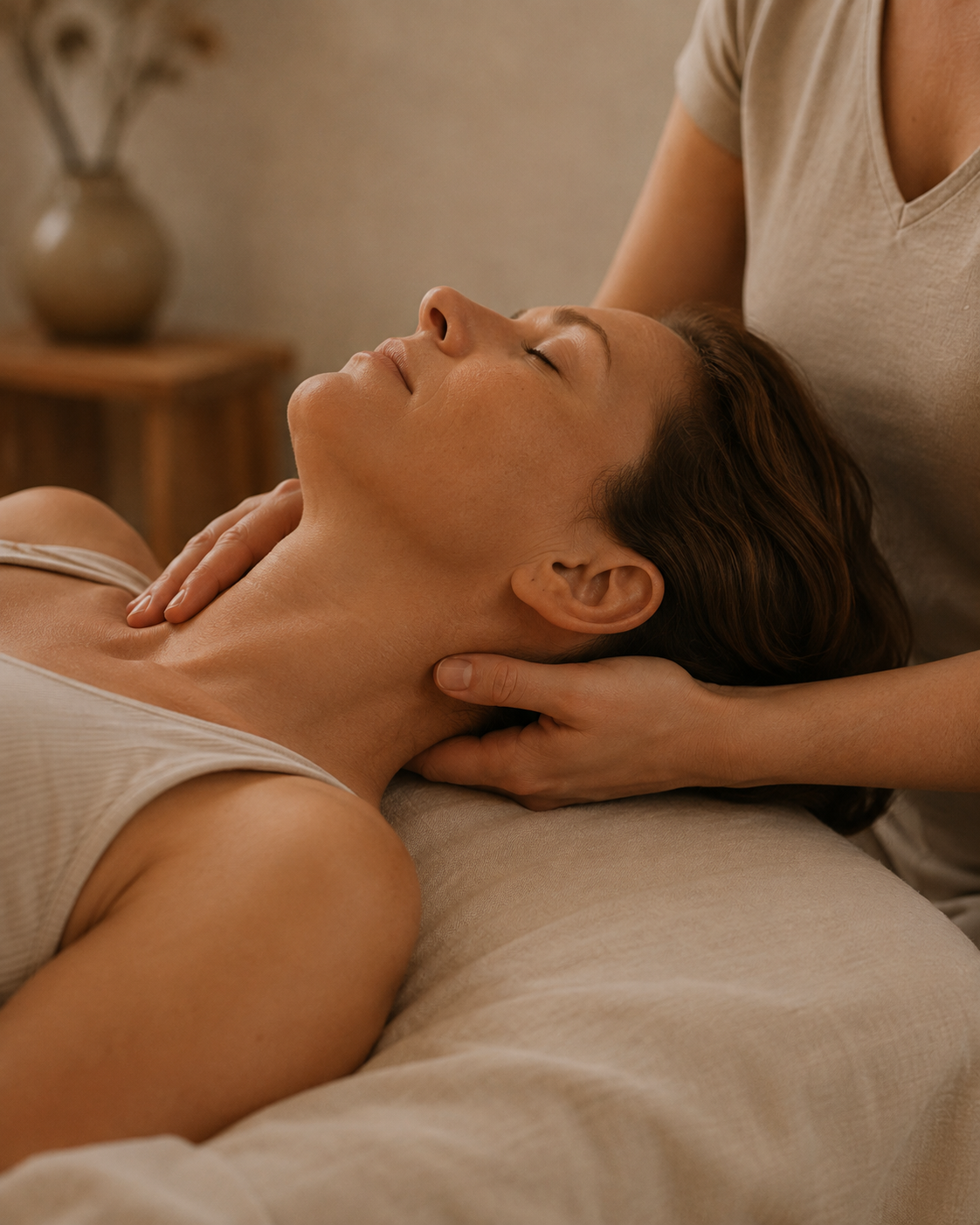
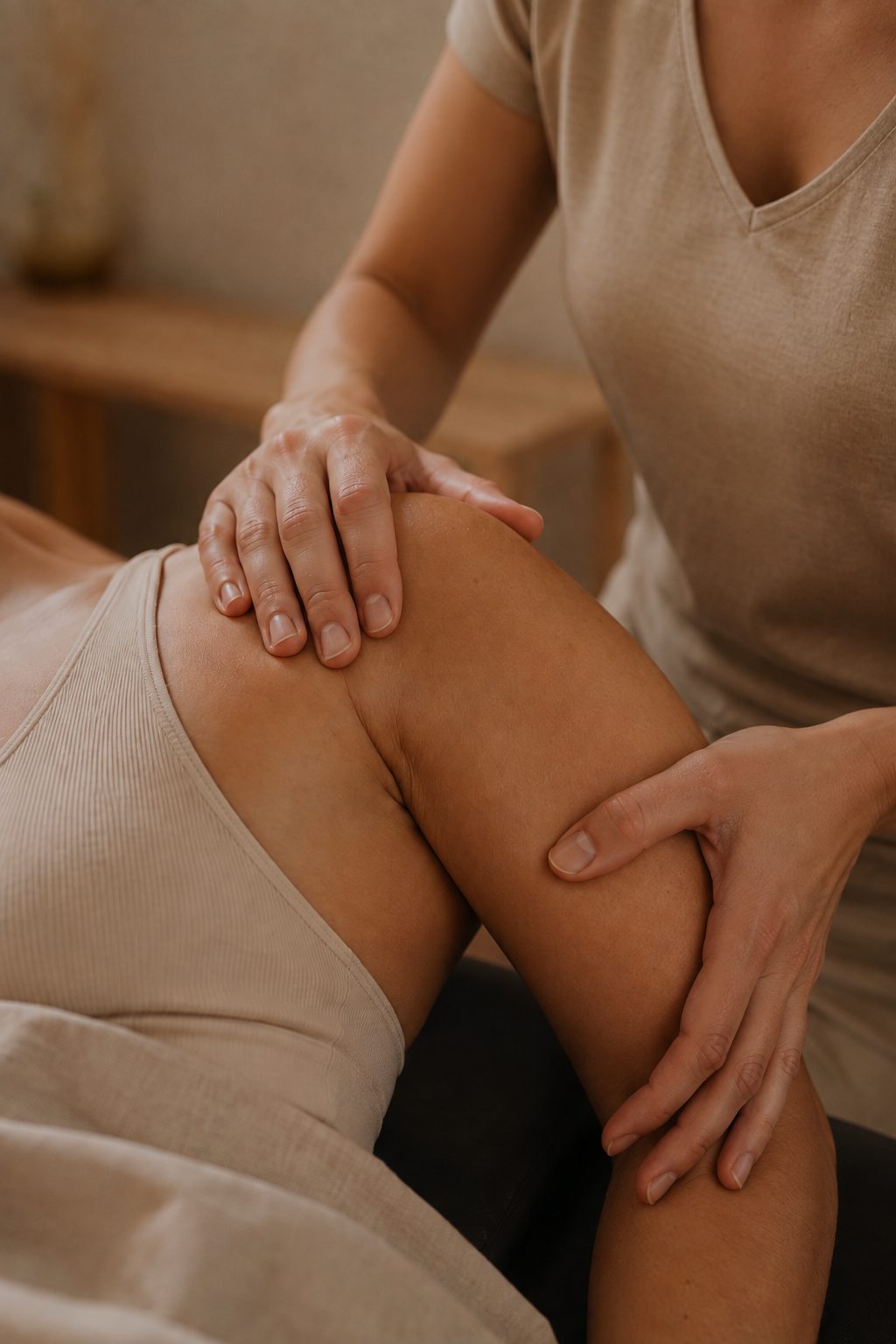
Craniosacral Therapy is a gentle hands-on approach that explores the relationships between the head, spine, connective tissues and nervous system.
Using light manual contact, treatment seeks to support the body's natural capacity to regulate tension and restore balanced movement throughout the tissues. While gentle in application, this approach is grounded in careful palpation, clinical observation and respect for the body's individual responses.
Within my practice, Craniosacral Therapy is not used as a stand-alone treatment, but integrated with other manual therapy approaches whenever appropriate,